For Makers

Basic Techniques Explained

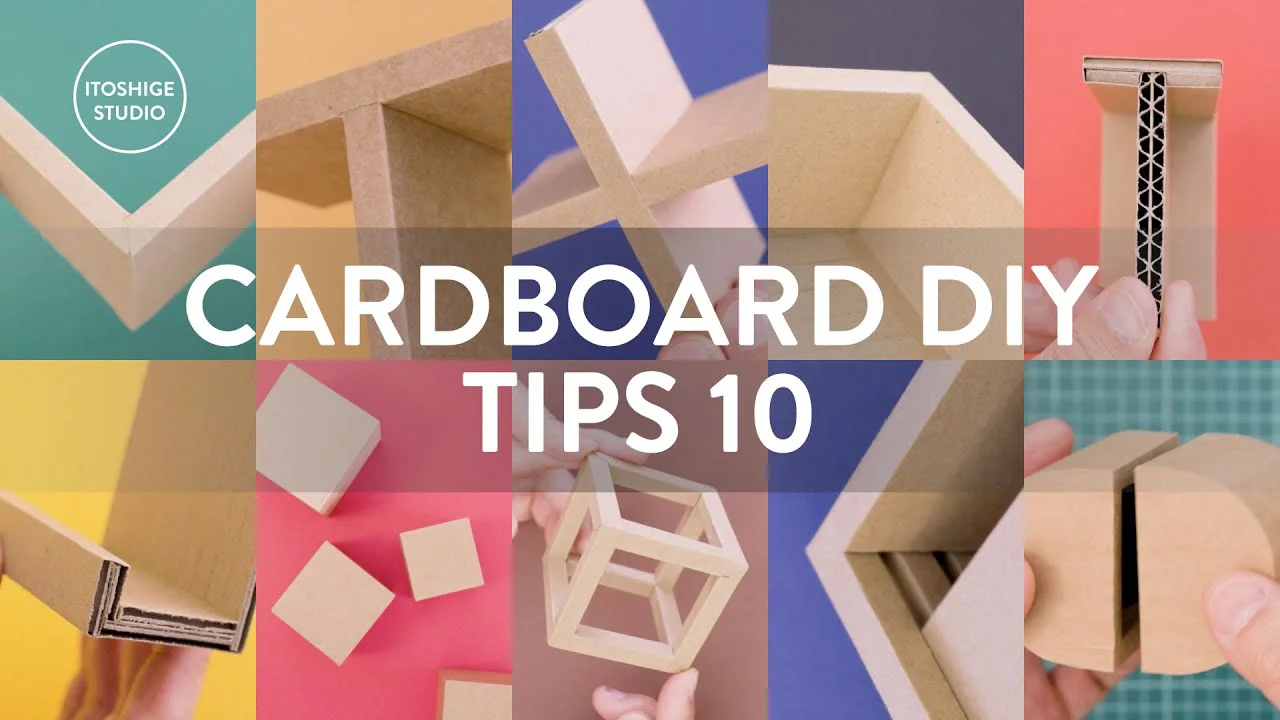
Explore the art of cardboard upcycling, where each piece reflects our dedication to sustainability and minimalist design. This article highlights a project that embodies our ethos, inviting you to delve deeper into our studio’s unique approach.

Half-Cut
Half-Cut is one of the fundamental techniques introduced by ITOSHIGE STUDIO. It involves cutting through the surface liner and the corrugated flute layer while leaving the bottom liner intact, allowing controlled flexibility without separating the material.
Peeling
Peeling is the process of removing the partially cut layer after a Half-Cut. This technique is commonly used for folded edges, clean finishing details, and creating precise structural transitions.
Creasing
After making a Half-Cut, adding a crease line with a stylus before folding helps create sharp, clean edges. This step improves accuracy and enhances the overall refinement of the final structure.
Types of cardboard
Cardboard comes in many types and structures, each with different strength, flexibility, and surface characteristics. Understanding these differences is essential for selecting the right material for each design.
Thickness of the cardboard
Cardboard thickness is a key design element in ITOSHIGE STUDIO projects. The thickness directly influences strength, proportions, and assembly methods, shaping both structure and visual balance.
Clean corner
Clean corners are the result of careful cutting, peeling, and precise creasing. This finishing step enhances both the visual sharpness and structural strength of the piece, creating a refined and professional look.

Starter videos

5 Videos

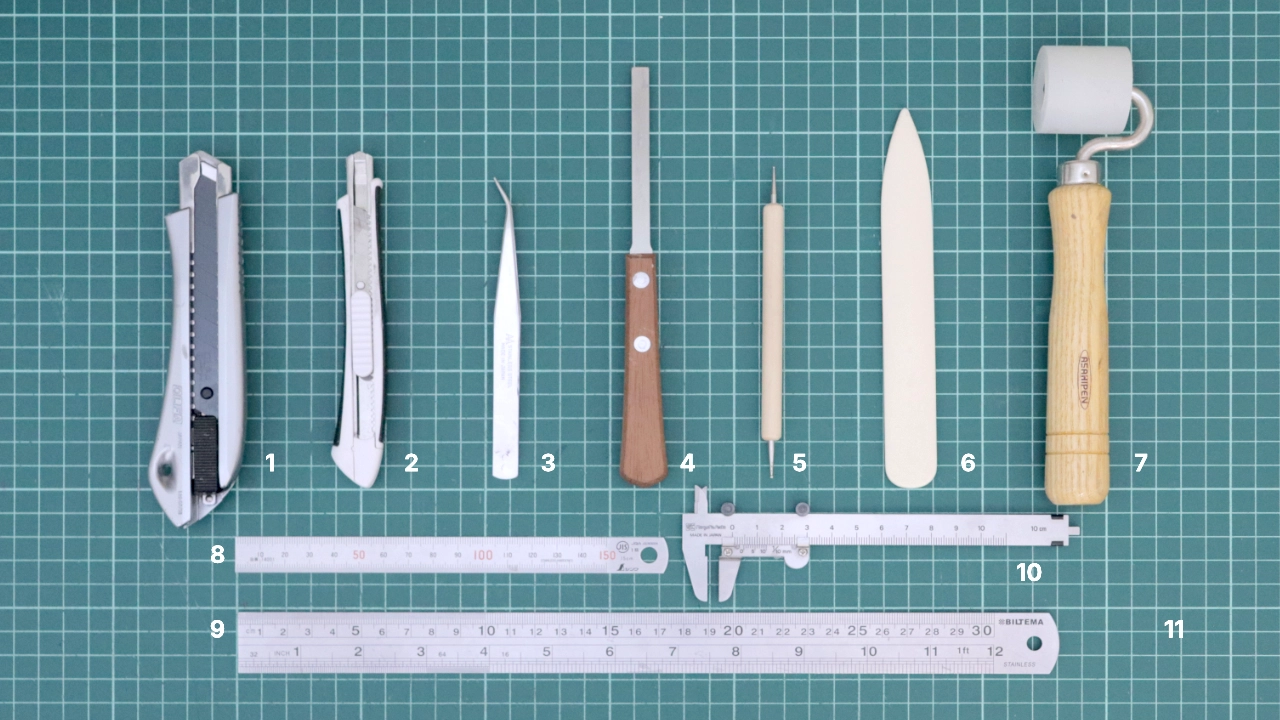
Tools